
Managing high blood pressure can be daunting, but knowing which foods to steer clear of makes a huge difference. By understanding what to avoid, making heart-healthy choices becomes much easier. So, we've gathered some common culprits that might be hiding in your kitchen and offered tasty alternatives. Keep scrolling to find out which foods to dodge and which to eat more for reduced blood pressure!
Canned Soups and Broths
Canned soups and broths may seem like a quick meal solution, but they're often packed with sodium. High sodium intake can lead to elevated blood pressure and increased risk of cardiovascular issues. Doctors and nutritionists advise opting for low-sodium or homemade versions to avoid these risks. A hearty homemade vegetable soup can be just as convenient and much healthier for your heart. Canned soups can be sodium bombs.
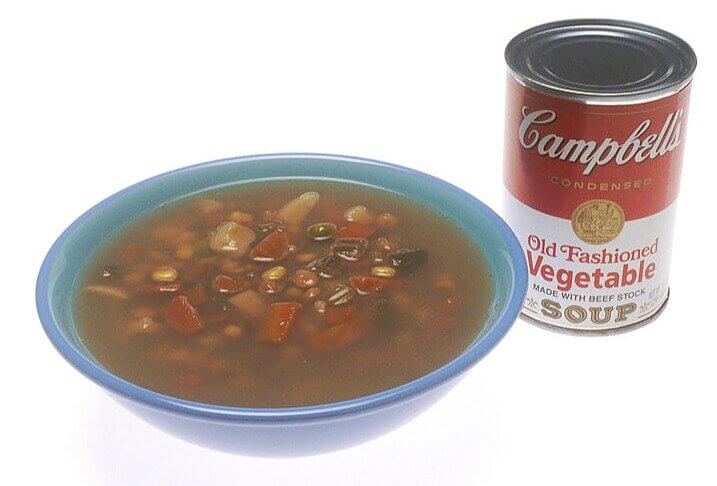
Convenient but salty, canned soups and broths can raise blood pressure. Go for low-sodium or homemade soups to keep your heart healthy and your blood pressure in check.
Pickles and Pickled Vegetables
Pickles and pickled vegetables are delicious but often brined in salty solutions, making them high in sodium. This can contribute to elevated blood pressure and increase the risk of heart disease. Instead, nutritionists suggest fresh vegetables or low-sodium pickled versions. Fresh cucumber slices can provide the same crunch without the added salt and are much healthier for your heart. Fresh cucumber slices or low-sodium pickled options are better for your blood pressure.
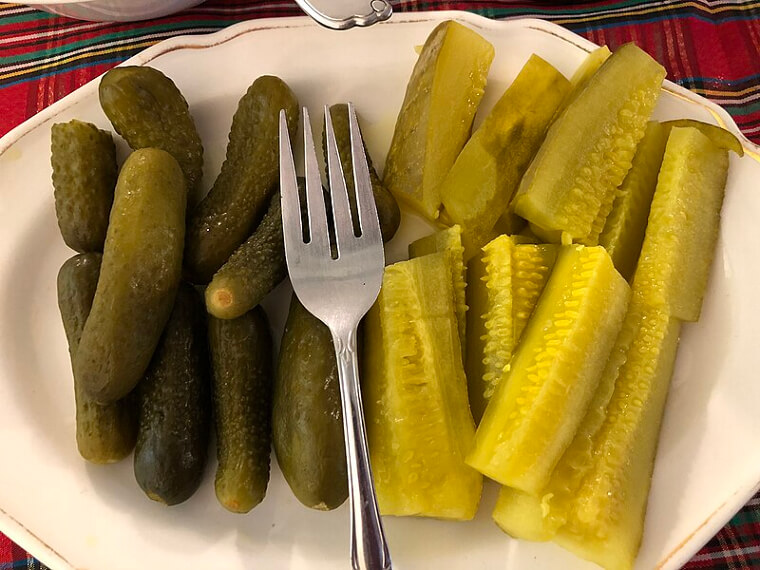
Though tasty, pickles are high in sodium.Pickles' salty brine can spike blood pressure. Fresh veggies or low-sodium pickles are healthier choices.
Processed and Cured Meats
Processed and cured meats like bacon, ham, and sausages are high in sodium and unhealthy fats, both of which can raise blood pressure and negatively impact heart health. These meats are best avoided according to doctors and nutritionists. Lean, unprocessed meats like grilled chicken or turkey are healthier alternatives that can still satisfy your protein cravings without harming your blood pressure. Processed meats are sodium and fat-laden, raising blood pressure risks.

Bacon and sausages are high in sodium and fat. Grilled chicken or turkey is a healthier choice for managing blood pressure. Opt for lean, unprocessed meats like grilled chicken instead.
Frozen Dinners
Frozen dinners are convenient but often packed with sodium and preservatives that can increase blood pressure. Additionally, they tend to lack fresh nutrients, making them less healthy overall. Nutritionists recommend batch-cooking your meals and freezing individual portions instead. This way, you control the ingredients and sodium content, ensuring a healthier meal every time. Frozen dinners are sodium-packed. Batch-cook and freeze your meals for a healthier, homemade alternative.
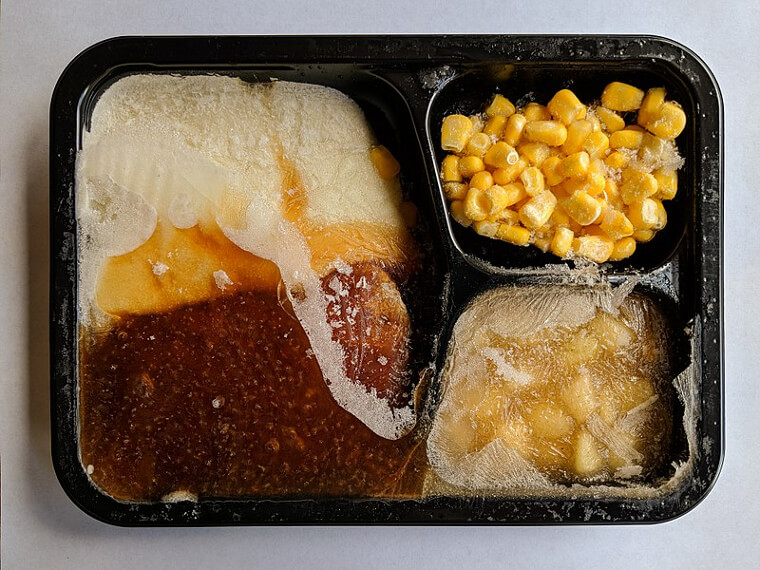
Convenient but unhealthy, frozen dinners spike blood pressure. Homemade frozen meals are a better option. You can cook once a week and have it all in the freezer, ready for consumption.
Instant Noodles
Instant noodles are quick and tasty but loaded with sodium and unhealthy fats, making them a poor choice for those with high blood pressure. Their high sodium content can lead to water retention and increased blood pressure. Additionally, they often contain MSG, which can cause headaches and other health issues. Nutritionists recommend swapping them for whole-grain pasta with fresh veggies and lean protein for a healthier, filling meal.
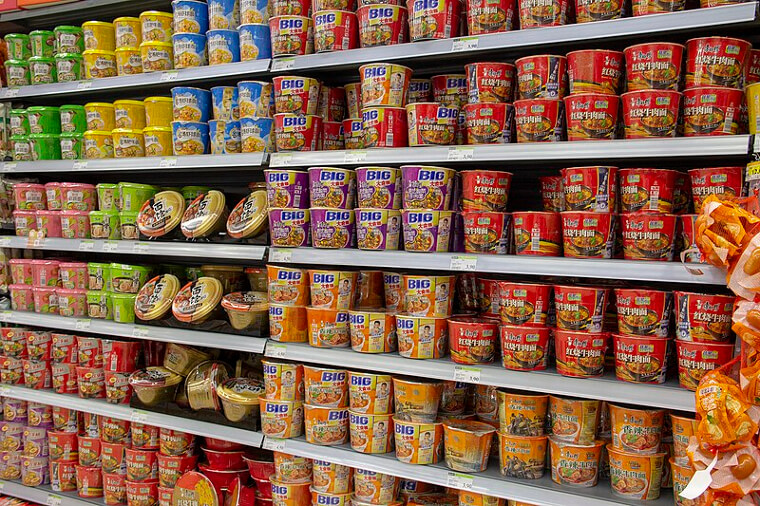
Instant noodles are sodium bombs. Opt for whole-grain pasta with veggies and lean protein for a healthier meal.
Chips and Crisps
Chips and crisps are classic snacks but full of sodium and unhealthy fats. These can raise your blood pressure and contribute to weight gain. They also lack essential nutrients, making them empty calories. Nutritionists suggest snacking on air-popped popcorn or veggie sticks with hummus for a crunchy, healthier alternative that won't harm your heart health. Chips are tasty but high in sodium and fat. Air-popped popcorn or veggie sticks with hummus are better choices.
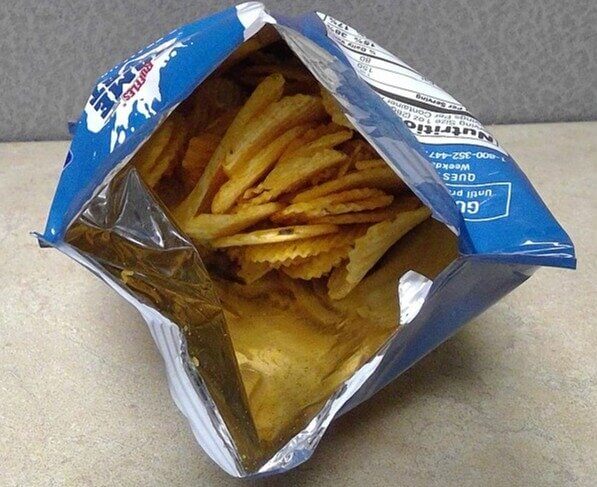
Crunchy but unhealthy, chips raise blood pressure. Opt for air-popped popcorn or veggie sticks with hummus. Or, stick some kale in the oven and get yourself some delicious and healthy kale chips!
Soy Sauce and Other High-Sodium Sauces
Soy sauce and similar high-sodium sauces are flavor enhancers but can significantly increase your sodium intake, leading to high blood pressure. Excessive sodium also increases the risk of kidney disease and stomach cancer. Use low-sodium versions or try herbs and spices for seasoning. Lemon juice and fresh herbs can add zest without the salt, making them healthier alternatives recommended by nutritionists. It might not taste as yummy at first, but the health benefits are worth it.
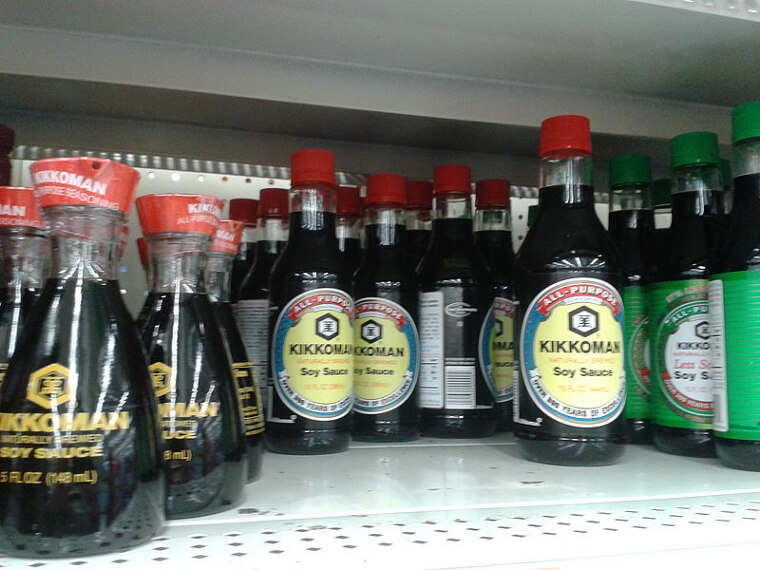
Soy sauce is a sodium-heavy flavor booster. Choose low-sodium versions or use herbs and spices instead. Once you get used to the new taste, you won't even recall why you ever had regular sodium-filled soy sauce.
Salted Nuts
Salted nuts, while nutritious, can be high in sodium, which is bad for blood pressure. Overconsumption can also contribute to dehydration and increased thirst. Nutritionists suggest opting for unsalted nuts to enjoy the health benefits without the added salt. Unsalted almonds or walnuts are great choices for a heart-healthy snack that won't raise your blood pressure. Salted nuts are sodium-heavy. Choose unsalted nuts like almonds or walnuts for a healthier option.
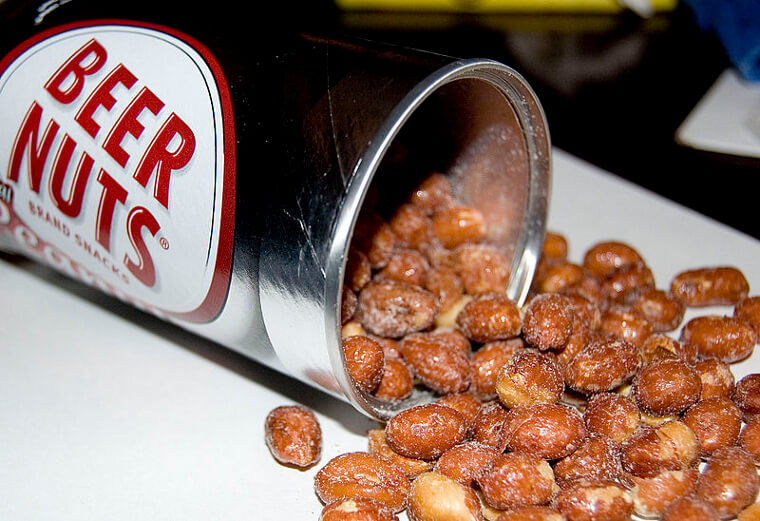
Nutritious but salty, salted nuts can raise blood pressure. That's why doctors and nutritionists recommend opting for unsalted nuts instead.
Pizza
Pizza is a beloved comfort food but often loaded with sodium and unhealthy fats. Frequent consumption can lead to weight gain and elevated cholesterol levels. Nutritionists suggest making a homemade pizza with a whole-grain crust, low-sodium sauce, and plenty of veggies. This way, you can enjoy pizza without the guilt and keep your blood pressure in check. Pizza is tasty but sodium-rich. Homemade pizza with whole grains and veggies is a healthier option.

Delicious but unhealthy, pizza can raise blood pressure. Make a homemade version with healthy ingredients that gets you the delicious taste without the negative effects.
Soft Drinks and Sodas
Soft drinks and sodas are high in sugar and can contribute to weight gain and high blood pressure. These beverages also lack essential nutrients. Regular consumption can increase the risk of diabetes and tooth decay. Nutritionists suggest swapping them for healthier options like water infused with fresh fruit, which provides a refreshing drink without the added sugar and calories. Sodas are sugary and unhealthy. Infused water with fresh fruit is a refreshing, healthier choice.
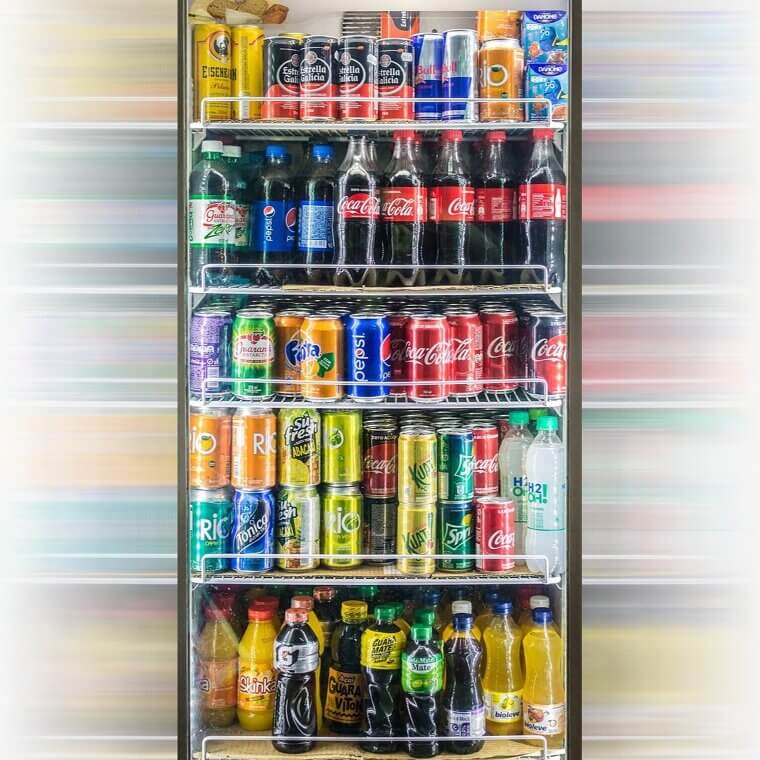
Sugary sodas spike blood pressure and should be consumed in extreme moderation. Try water with fresh fruit for a healthier drink.
Sweetened Beverages
Sweetened beverages, including iced teas and energy drinks, are high in sugar and can raise blood pressure. They also contribute to weight gain and increased risk of diabetes. Regular consumption can lead to energy crashes and tooth decay. Nutritionists recommend opting for unsweetened versions or herbal teas. Herbal tea with a bit of honey can be a soothing and healthier alternative. Sweetened drinks are high in sugar. Herbal teas with a touch of honey are a healthier option.
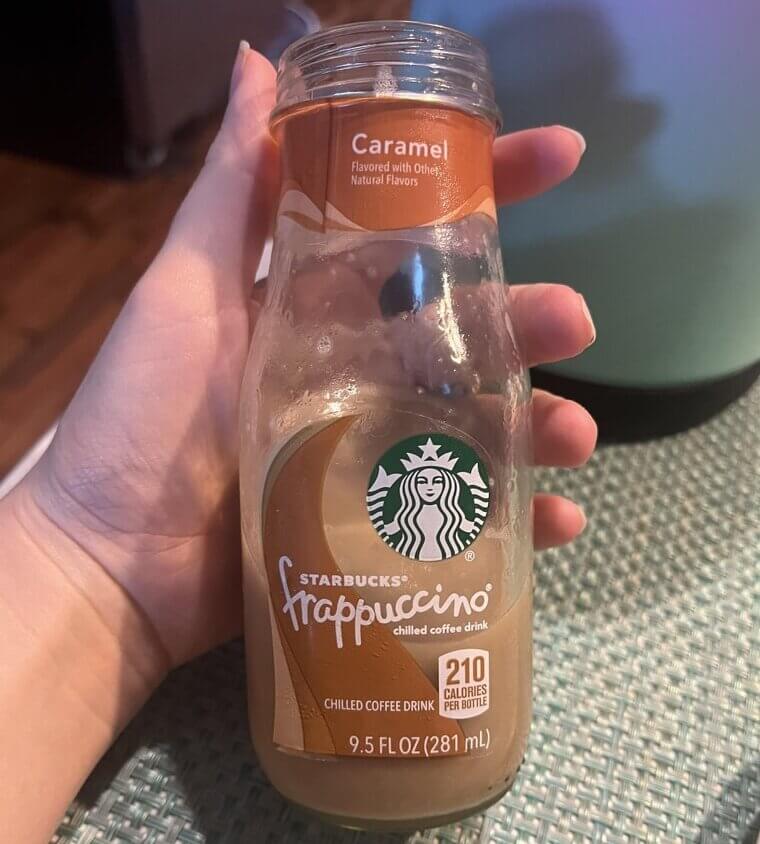
High in sugar, sweetened beverages raise blood pressure and are unhealthy for people of all ages. Unsweetened or herbal teas are better.
Certain Condiments Like Ketchup and Mustard
Certain condiments like ketchup and mustard can be high in sodium and sugar, impacting blood pressure. Overuse can also mask the natural flavors of foods. Nutritionists recommend using them sparingly or opting for low-sodium versions. Fresh salsa can be a tasty and healthier substitute, adding flavor without the added sodium. Ketchup and mustard are sodium-rich. Fresh salsa is a healthier, flavorful alternative for managing blood pressure.

High in sodium, certain condiments can spike blood pressure. Use low-sodium versions or fresh salsa (most processed, store-bought salsa might as well be a sodium-filled condiment).
Butter and Margarine
Butter and margarine are high in unhealthy fats, which can raise blood pressure and affect heart health. These fats can also contribute to increased cholesterol levels. Nutritionists suggest using healthier fat options like olive oil or avocado. A drizzle of olive oil can be a delicious and heart-healthy substitute that won't compromise your blood pressure. Butter and margarine are fat-laden. Olive oil or avocado are healthier fat alternatives for managing blood pressure.
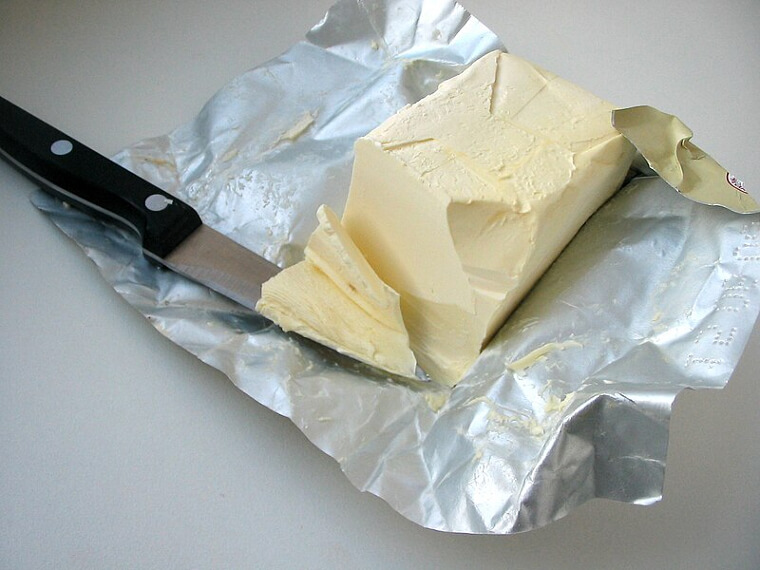
Unhealthy fats in butter and margarine raise blood pressure. Use olive oil or avocado instead. It might be more expensive right now, but it'll save you in medical bills later on.
Red Meat
Red meat is high in saturated fats, which can elevate blood pressure and impact heart health. Overconsumption can also lead to increased cholesterol levels and a higher risk of cancer. Nutritionists recommend choosing leaner protein sources like chicken or fish. Grilled fish can be a tasty and healthier alternative that provides essential nutrients without the risks associated with red meat. Red meat is high in saturated fats.
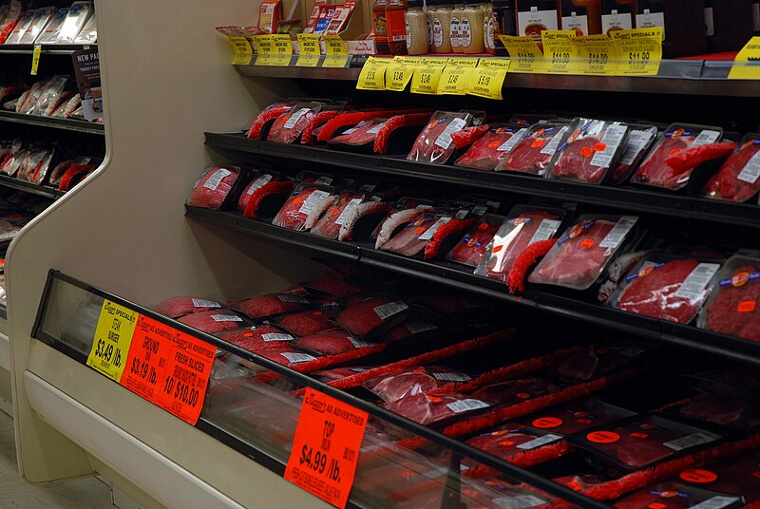
Saturated fats in red meat raise blood pressure. Opt for leaner proteins like fish or chicken. Those are better choices for managing blood pressure.
Fried Foods
Fried foods are delicious but high in unhealthy fats and sodium, both of which can raise blood pressure. These foods can also lead to weight gain and increased cholesterol levels. Nutritionists suggest opting for baked or air-fried versions instead. Baked sweet potato fries can be a tasty and healthier alternative that satisfies your craving without the added risks. Fried foods are tasty but unhealthy. Baked or air-fried options like sweet potato fries are better.

Unhealthy fats and sodium make fried foods bad for blood pressure. Try baked alternatives, instead. You can get the taste without the negative health consequences.
Canned Vegetables With Added Salt
Canned vegetables often contain added salt, which can raise blood pressure. Additionally, they may lack some of the nutrients found in fresh produce. These products can also contain preservatives that aren't good for long-term health. Nutritionists advise choosing fresh or frozen vegetables instead. These retain their nutrients and have no added sodium, making them healthier options for managing blood pressure since canned veggies often have added salt.
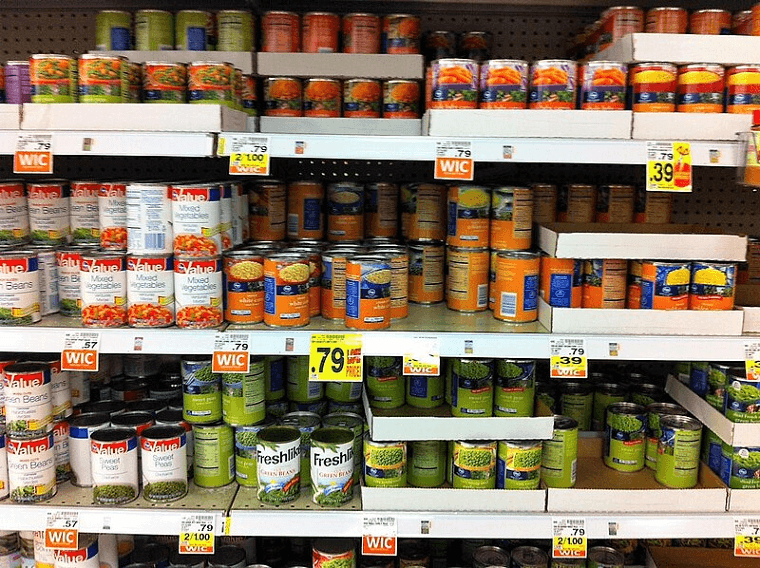
Added salt in canned vegetables can spike blood pressure. Fresh or frozen vegetables are healthier and sodium-free for better blood pressure management.
Ready-To-Eat Cereals High in Sugar and Sodium
Many ready-to-eat cereals are high in sugar and sodium, making them a poor choice for those with high blood pressure. They can contribute to weight gain and increased risk of diabetes. These cereals also often lack fiber and essential nutrients. Nutritionists recommend opting for whole-grain cereals with no added sugar. Oatmeal with fresh fruit can be a nutritious and satisfying alternative. Sugary, sodium-heavy cereals are unhealthy.
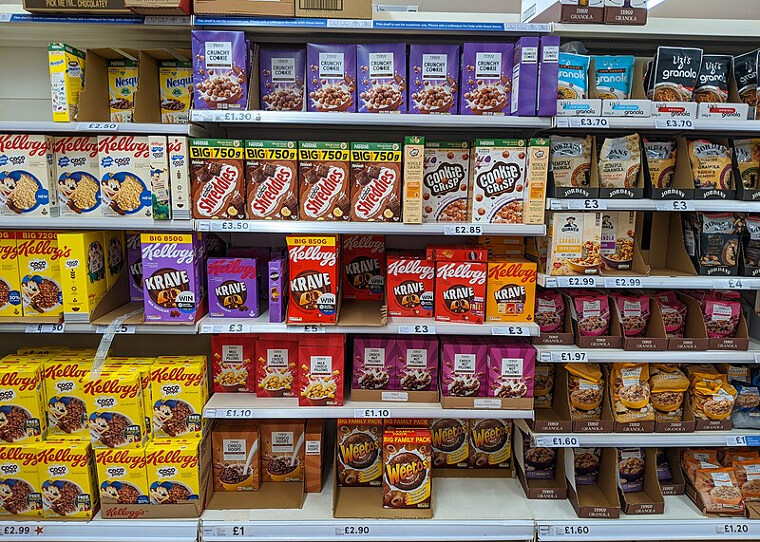
High in sugar and sodium, many cereals raise blood pressure. Whole-grain cereals or oatmeal with fruit are better choices for managing blood pressure.
High-Sodium Snack Bars
High-sodium snack bars can be convenient but unhealthy, raising blood pressure and contributing to poor overall health. They can also be high in added sugars and unhealthy fats. Nutritionists suggest choosing low-sodium or homemade snack bars instead. A homemade granola bar with nuts and dried fruit can be a delicious and healthier option that won't spike your blood pressure. Low-sodium or homemade bars are healthier alternatives for managing blood pressure.
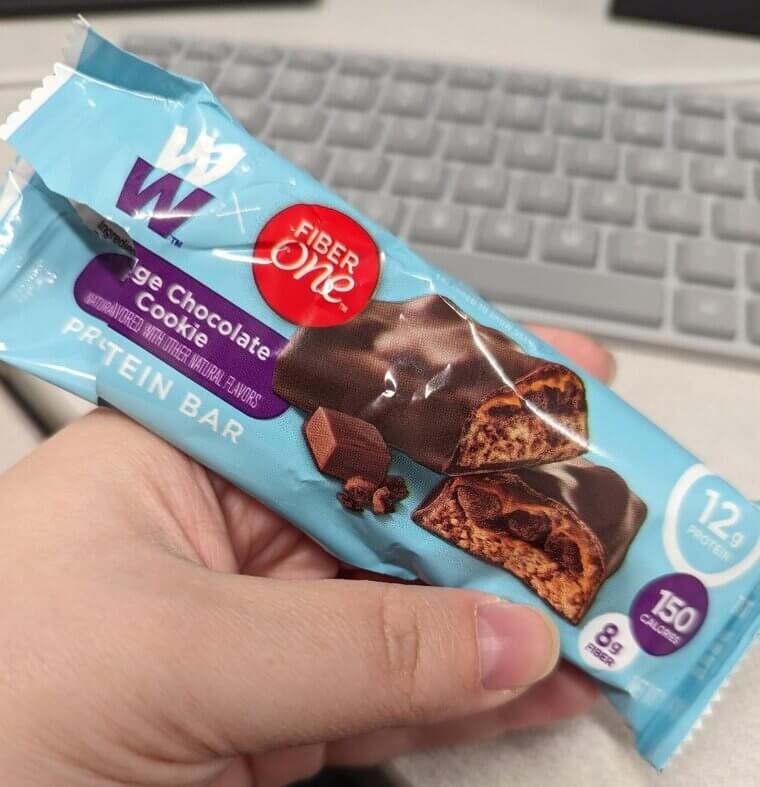
Sodium-packed snack bars can spike blood pressure. Homemade or low-sodium options may be more time-consuming to make but are better for your health.
Alcohol
Alcohol can raise blood pressure and has other negative health effects, including liver damage and increased cancer risk. Excessive drinking can also lead to weight gain and addiction. Limiting alcohol intake is crucial for maintaining healthy blood pressure levels. Nutritionists recommend non-alcoholic beverages like sparkling water with a splash of fruit juice for a refreshing alternative. Alcohol can raise blood pressure. Opt for non-alcoholic drinks like sparkling water with fruit juice.
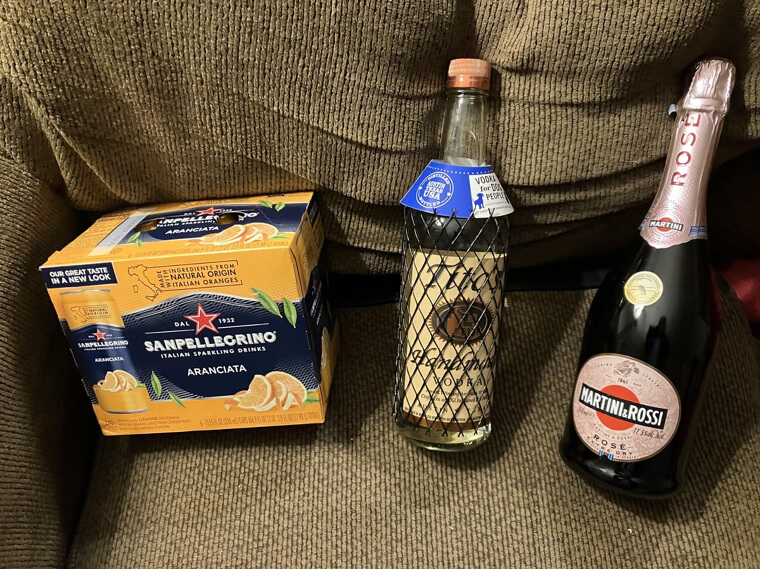
Raises blood pressure and has other health risks, alcohol should be limited - and not just for those of us with a risk for high blood pressure. Non-alcoholic drinks are better.
Fast Food
Fast food is notoriously high in sodium, unhealthy fats, and calories, all of which can elevate blood pressure and contribute to poor overall health. Nutritionists and doctors suggest limiting fast food consumption to maintain a healthy blood pressure. Homemade meals are a better option. Try making a homemade burger with lean meat and fresh veggies for a healthier, satisfying alternative. Fast food is a triple threat to blood pressure.
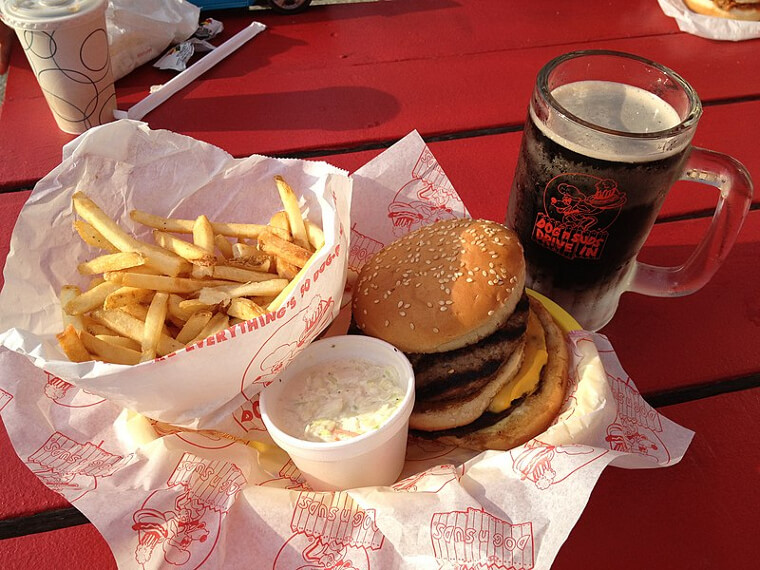
Loaded with sodium and unhealthy fats, fast food should be limited. Opt for home-cooked meals to manage blood pressure. Home-cooked meals like a lean burger with veggies are a better choice.
Baked Goods (e. G. , Cakes, Cookies, Pastries)
Baked goods are often high in sugar and unhealthy fats, contributing to weight gain and high blood pressure. They also lack essential nutrients, making them less healthy overall. Regular indulgence can lead to spikes in blood sugar and increased risk of diabetes. Nutritionists recommend making homemade treats with less sugar and healthier fats. A homemade oatmeal cookie can be a delicious and healthier alternative - and ultimately save you money.

Baked goods are sugary and fat-laden, so it's no surprise they can lead to higher blood pressure. Homemade oatmeal cookies with less sugar are a better choice.
Cheese and Cheese Products
Cheese is delicious but often high in sodium and saturated fats, which can increase blood pressure and impact heart health. Overconsumption can also lead to weight gain and increased cholesterol levels. Nutritionists recommend using small amounts of low-sodium cheese or nutritional yeast for a cheesy flavor without the added salt. This way, you can still enjoy the taste without compromising your blood pressure. You can thank us later when your doctor tells you how impressed he/she is.
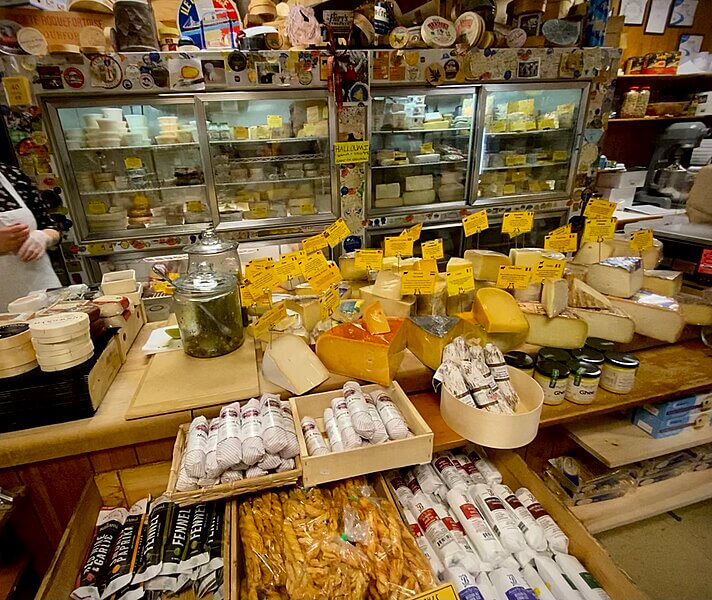
Cheese is tasty but high in sodium and fat. Use low-sodium cheese or nutritional yeast as a healthier option. Cheese, though tasty, just isn't the best for our health.
Restaurant and Takeout Food
Restaurant and takeout food is convenient but often high in sodium and unhealthy fats, contributing to high blood pressure. These foods can also contain hidden sugars and additives. Cooking at home allows you to control the ingredients and make healthier choices. Try recreating your favorite restaurant dishes with lower sodium and healthier options recommended by nutritionists. Takeout is convenient but unhealthy. Home-cooked meals let you control sodium and fat intake for better health.
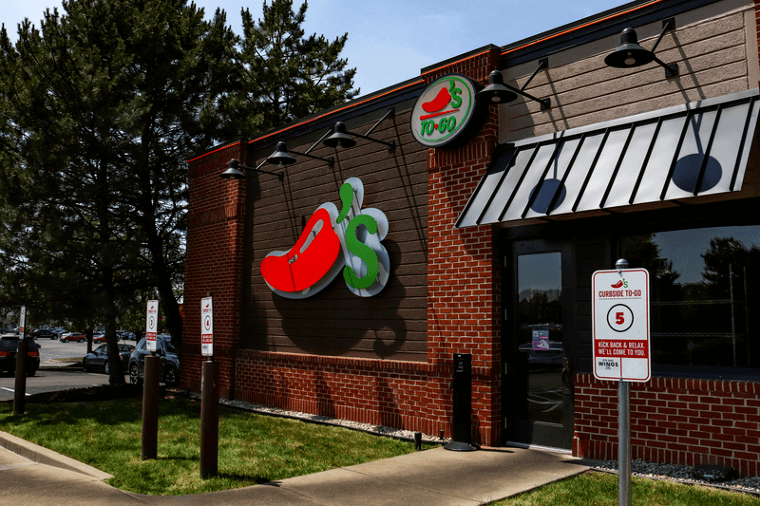
High in sodium and fats, restaurant food is bad for blood pressure - and eat away at your wallet! Home-cooked versions are healthier and more affordable.
Processed and Packaged Foods
Processed and packaged foods are convenient but usually high in sodium and unhealthy additives. These can elevate blood pressure and negatively impact overall health. They also often contain artificial flavors and preservatives that can affect digestive health. Nutritionists advise choosing fresh, whole foods instead. Fresh fruits and veggies make excellent snacks without the added sodium and preservatives, and buying fresh instead of packaged can ultimately save you money.
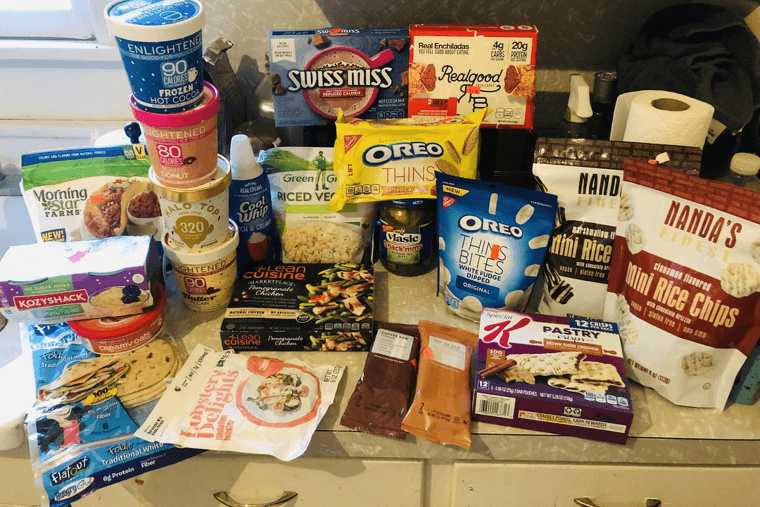
Packaged foods are convenient but sodium-heavy and can spike blood pressure. Fresh fruits and veggies are a healthier snack alternative.
Salt and Salty Snacks
Salt and salty snacks are a major no-go for those with high blood pressure. Excessive sodium intake causes the body to retain water, putting extra pressure on blood vessels and raising blood pressure. Besides, high salt levels can also increase the risk of heart disease and stroke. Nutritionists recommend steering clear of these salty culprits. Instead, try snacking on unsalted nuts or air-popped popcorn for a healthier, satisfying crunch.
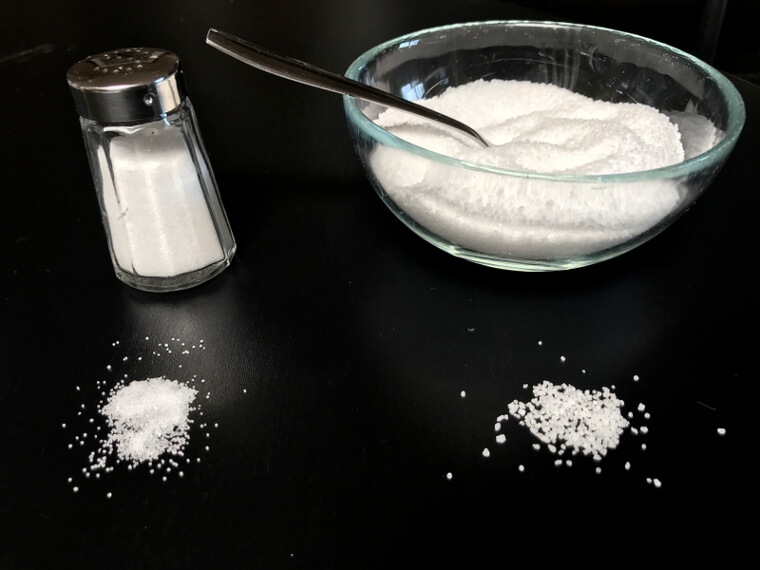
Avoid salty snacks if you have high blood pressure. Unsalted nuts or air-popped popcorn are tasty alternatives that won't raise your BP.
Do Eat: Leafy Greens
Leafy greens like spinach, kale, and Swiss chard are powerhouses for lowering blood pressure due to their high potassium content, which helps the kidneys remove excess sodium from the body. These greens are also rich in vitamins, minerals, and antioxidants that support overall health. Doctors and nutritionists recommend incorporating them into your diet regularly. Enjoy them in salads, smoothies, or sautéed as a side dish for a nutrient-packed meal.
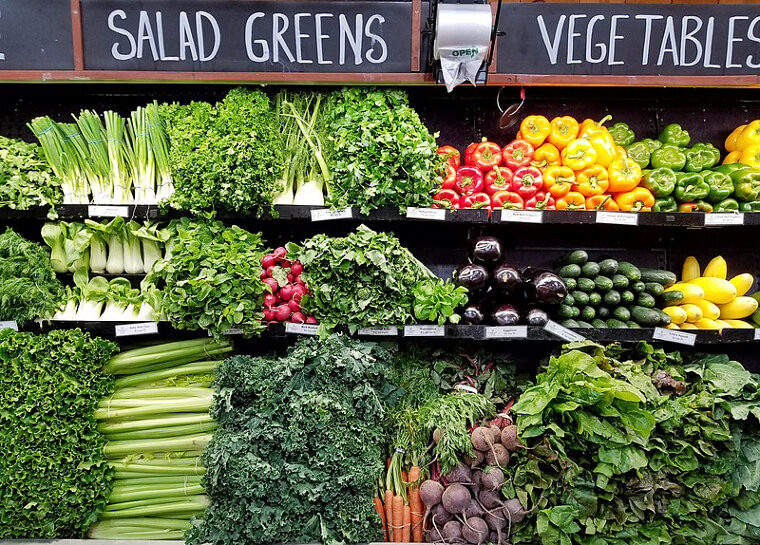
Leafy greens are high in potassium, helping to lower blood pressure. They're also full of vitamins and antioxidants. Add them to salads, smoothies, or sautés.
Berries
Berries, particularly blueberries, are loaded with flavonoids, which have been shown to reduce blood pressure and improve heart health. They're also high in fiber, vitamins, and antioxidants. Nutritionists recommend including berries in your diet for their numerous health benefits. Enjoy them fresh, in smoothies, or as a topping for yogurt and oatmeal for a delicious and heart-healthy treat. They're nutritious and delicious. Enjoy them fresh or in your favorite recipes.
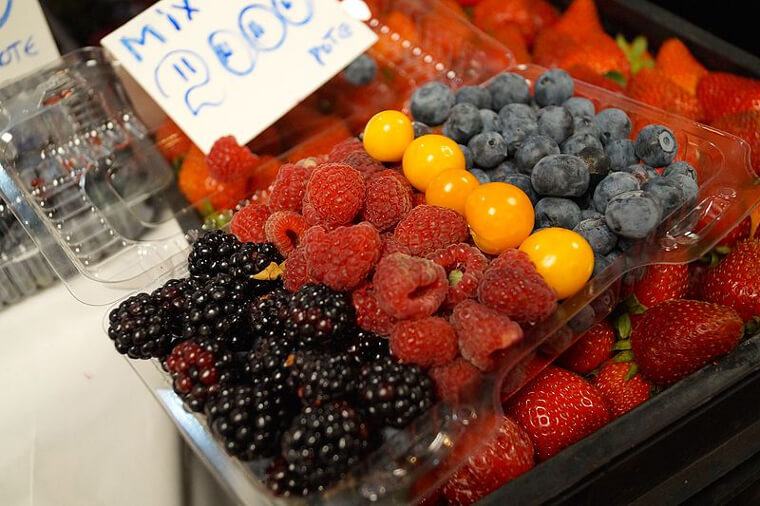
Berries are rich in flavonoids, which lower blood pressure. They're also full of fiber and antioxidants. Add them to smoothies, yogurt, or oatmeal for a tasty boost.
Oats
Oats are an excellent source of soluble fiber, which helps reduce cholesterol levels and maintain stable blood pressure. They're also rich in essential nutrients like magnesium and potassium. Doctors and nutritionists recommend starting your day with a bowl of oatmeal to support heart health. Top your oats with fresh fruit or nuts for added flavor and nutrients. Enjoy a bowl of oatmeal with your favorite toppings.
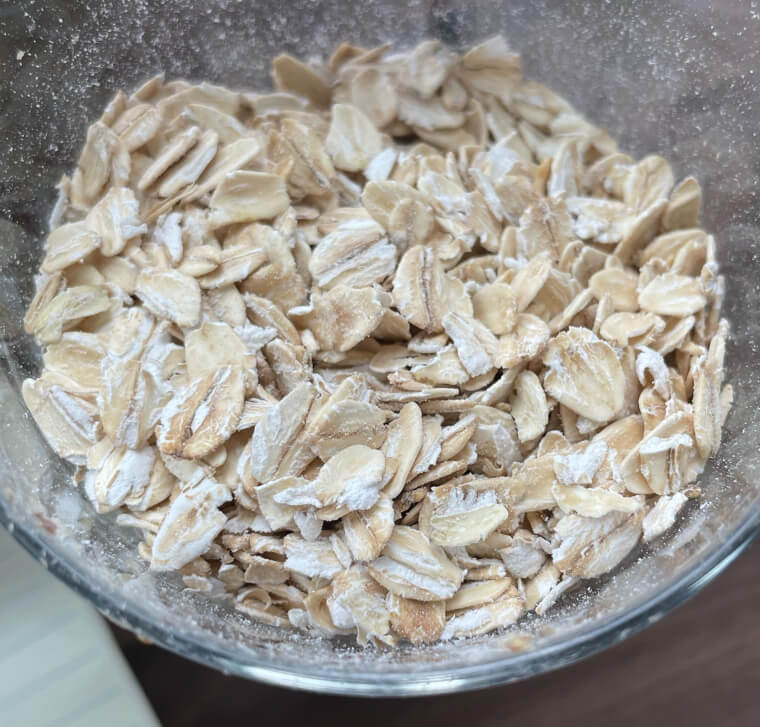
Oats are high in soluble fiber, reducing cholesterol and stabilizing blood pressure. They're nutrient-rich and make a great breakfast. Top with fruit or nuts for extra goodness.
Bananas
Bananas are a fantastic source of potassium, which helps balance sodium levels in the body and lowers blood pressure. They also provide essential vitamins and fiber. Doctors and nutritionists recommend bananas for their heart health benefits and convenience as a snack. They're nutritious and versatile. Enjoy them on their own, in smoothies, sliced over cereal for a quick and healthy treat, or in many other yummy dishes.
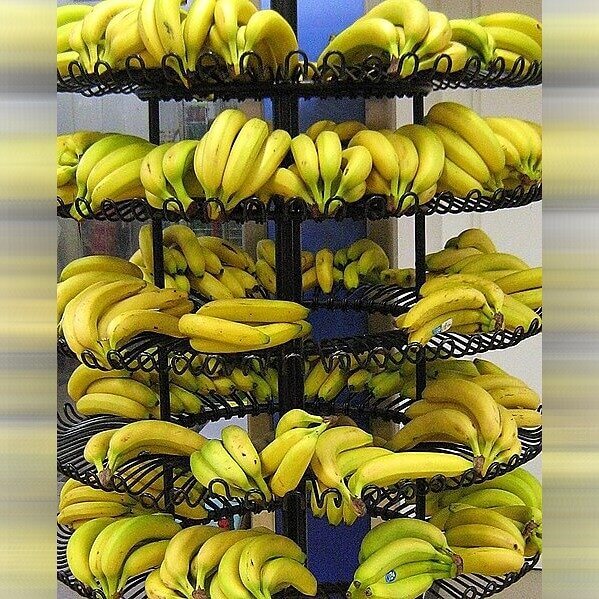
Bananas are rich in potassium, aiding in blood pressure regulation. They're also nutritious and convenient. Add them to smoothies or cereal for a quick snack.
Garlic
Garlic has been shown to help lower blood pressure by relaxing blood vessels and improving blood flow. It's also packed with antioxidants and other beneficial compounds. Nutritionists and doctors recommend including garlic in your diet for its heart-healthy properties. Add it to your cooking for flavor and health benefits—think garlic roasted vegetables, garlic-infused olive oil, or garlic chicken. Garlic is packed with beneficial compounds. Use it in cooking for a flavorful boost.
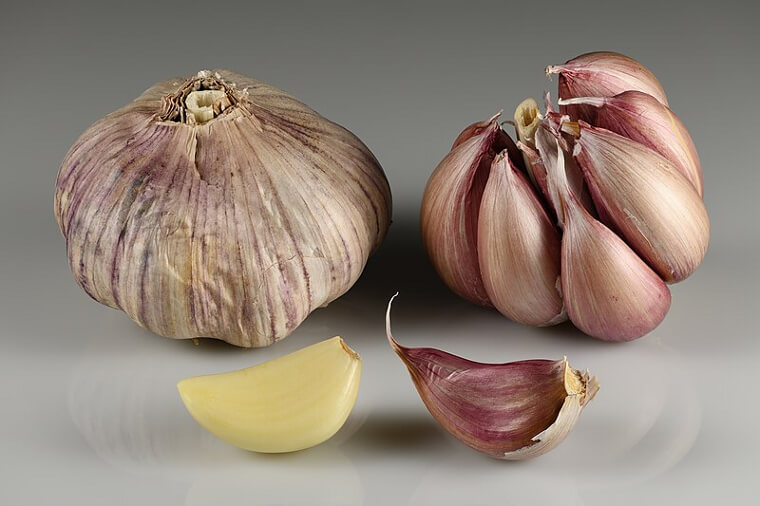
Garlic helps lower blood pressure by improving blood flow. It's also full of antioxidants. Add it to your cooking for flavor and health benefits.
Fatty Fish
Fatty fish like salmon, mackerel, and sardines are rich in omega-3 fatty acids, which help reduce blood pressure and inflammation. These healthy fats also support overall heart health. Doctors and nutritionists recommend eating fatty fish a few times a week. Grill or bake your fish for a delicious and heart-healthy meal, or add it to salads and sandwiches. They're nutritious and heart-healthy - you won't regret adding them to your diet.
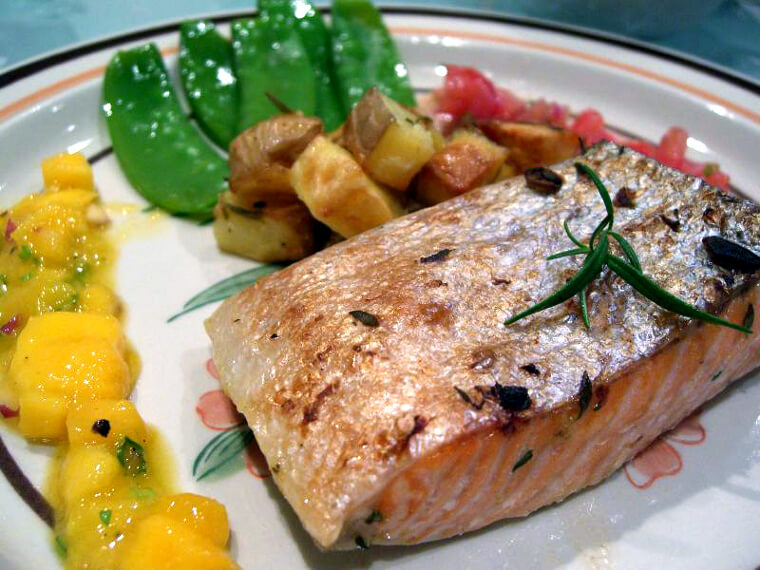
Fatty fish are high in omega-3s, which lower blood pressure and inflammation. They're also good for heart health. Enjoy grilled or baked for a tasty meal.
Beets
Beets contain nitrates, which help relax blood vessels and improve blood flow, leading to lower blood pressure. They're also rich in antioxidants and fiber. Nutritionists recommend incorporating beets into your diet for their cardiovascular benefits. Enjoy them roasted, in salads, or as a fresh juice for a vibrant and healthy addition to your meals. Beets help lower blood pressure with nitrates. They're antioxidant-rich and versatile. Add them to your diet for a health boost.
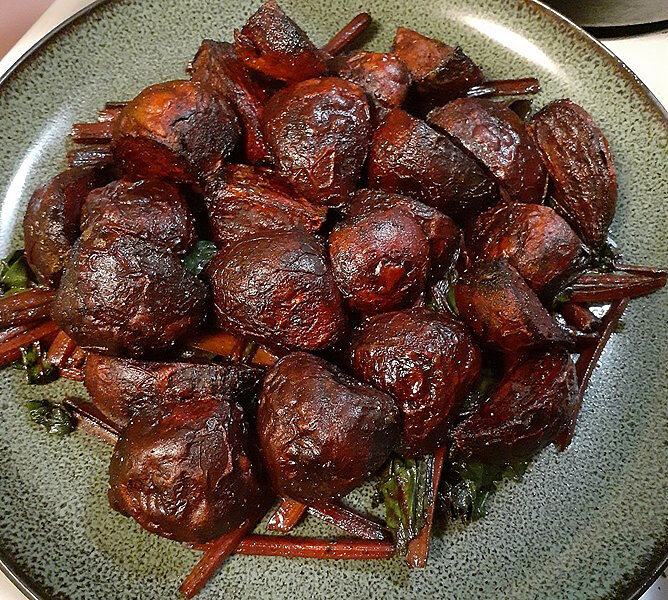
Beets are rich in nitrates, aiding blood vessel relaxation and lowering blood pressure. They're also nutritious. Enjoy them roasted or juiced for health benefits.
Low-Fat Dairy
Low-fat dairy products like yogurt and milk are good sources of calcium and vitamin D, which are essential for heart health. These nutrients help lower blood pressure and support overall well-being. Nutritionists recommend incorporating low-fat dairy into your diet. Enjoy yogurt with fresh fruit, add milk to your cereal, or use dairy in smoothies for a nutritious boost. Low-fat dairy is nutritious and versatile. Include it in your meals for health benefits.
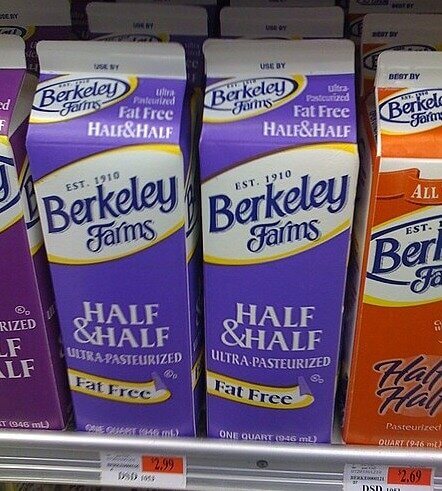
Low-fat dairy provides calcium and vitamin D, important for heart health and lowering blood pressure. Enjoy yogurt with fruit or add milk to your cereal.
Dark Chocolate
Dark chocolate, with at least 70% cocoa, contains flavonoids that can help lower blood pressure and improve blood vessel function. It's also rich in antioxidants. Doctors and nutritionists suggest enjoying dark chocolate in moderation for its heart health benefits. Have a small piece as a dessert or melt it over fruit for a delicious and healthy treat. Enjoy a small piece for a healthy indulgence.
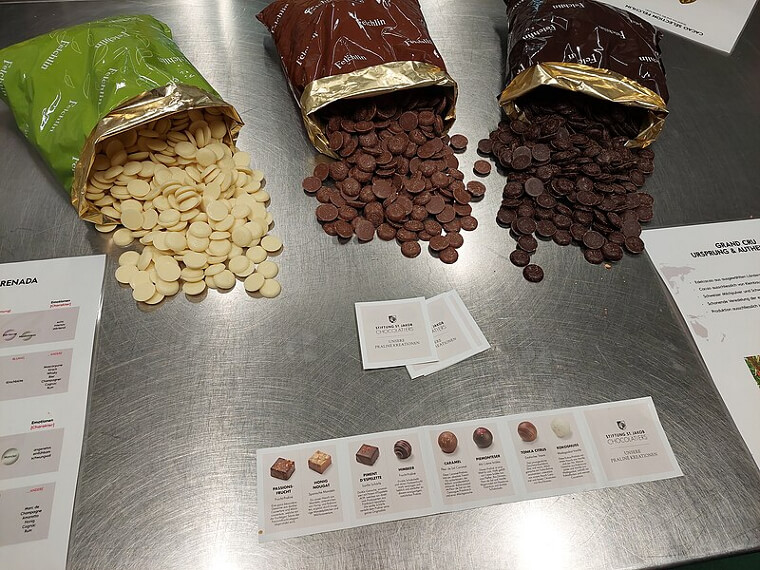
Dark chocolate helps lower blood pressure with its flavonoids. It's also antioxidant-rich. Enjoy it in moderation for a heart-healthy treat.
Nuts and Seeds (unsalted and Not Roasted, of Course)
Nuts and seeds, such as almonds, flaxseeds, and chia seeds, are rich in healthy fats, fiber, and magnesium, which all contribute to lower blood pressure. They're also great for overall heart health. Nutritionists recommend adding nuts and seeds to your diet. Enjoy them as a snack, sprinkle them over salads, or add them to smoothies for a nutritious boost. They're nutritious and versatile. Enjoy them as snacks or in various dishes.
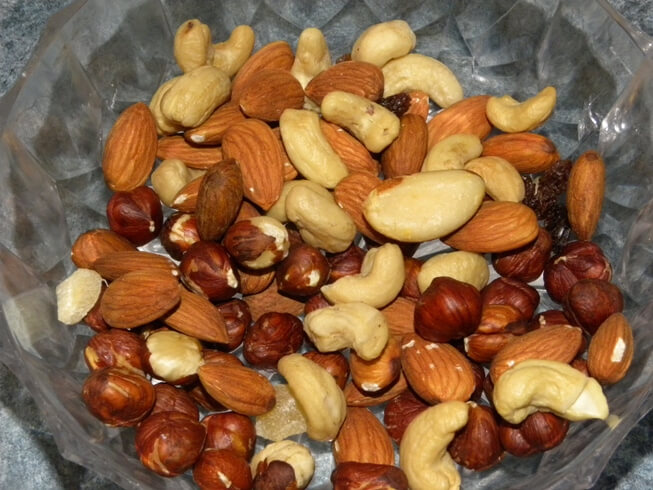
Nuts and seeds help lower blood pressure with healthy fats and fiber. They're also good for heart health. Add them to salads or smoothies for extra nutrition.